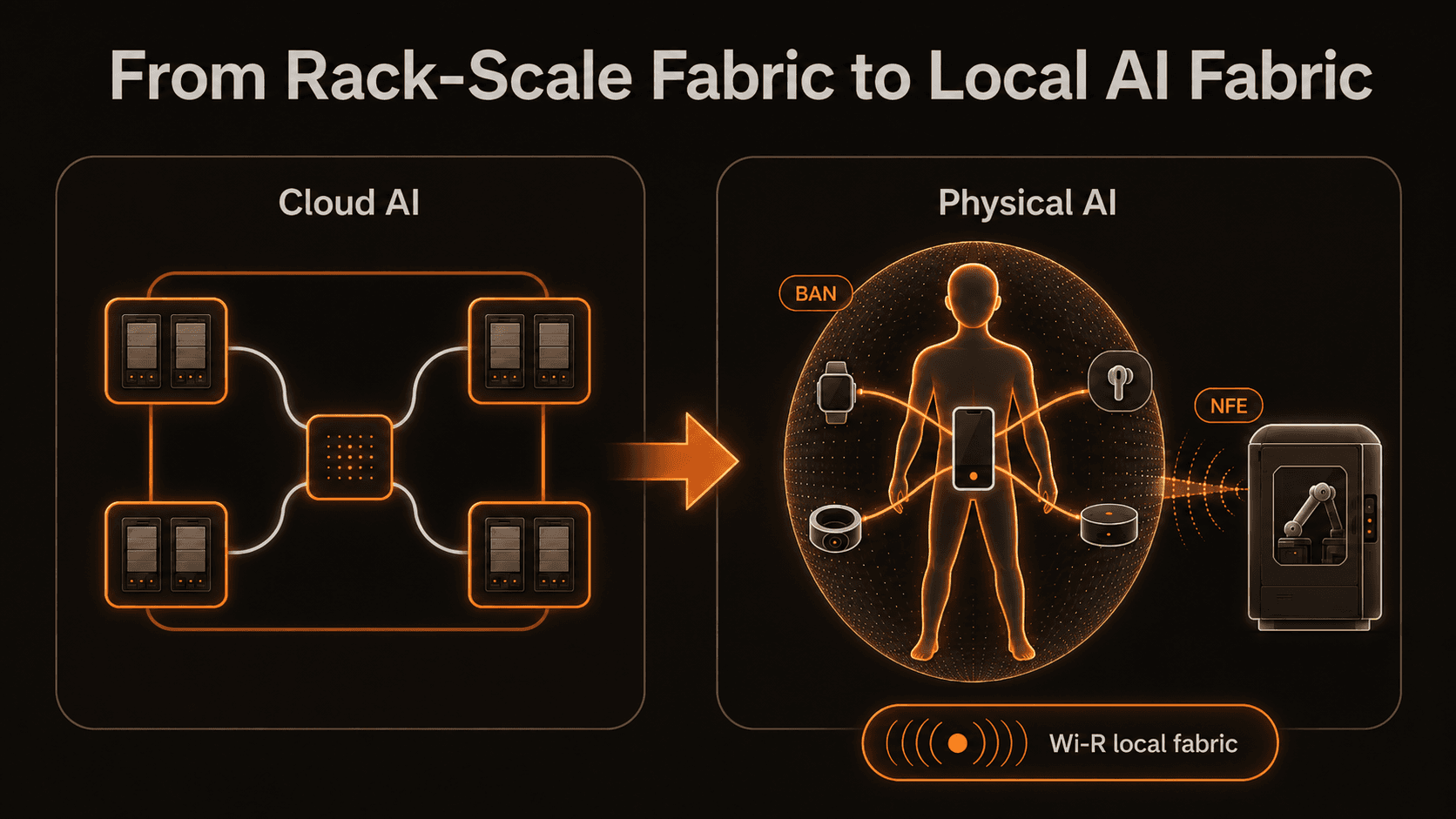
Physical AI Needs a Local Interconnect
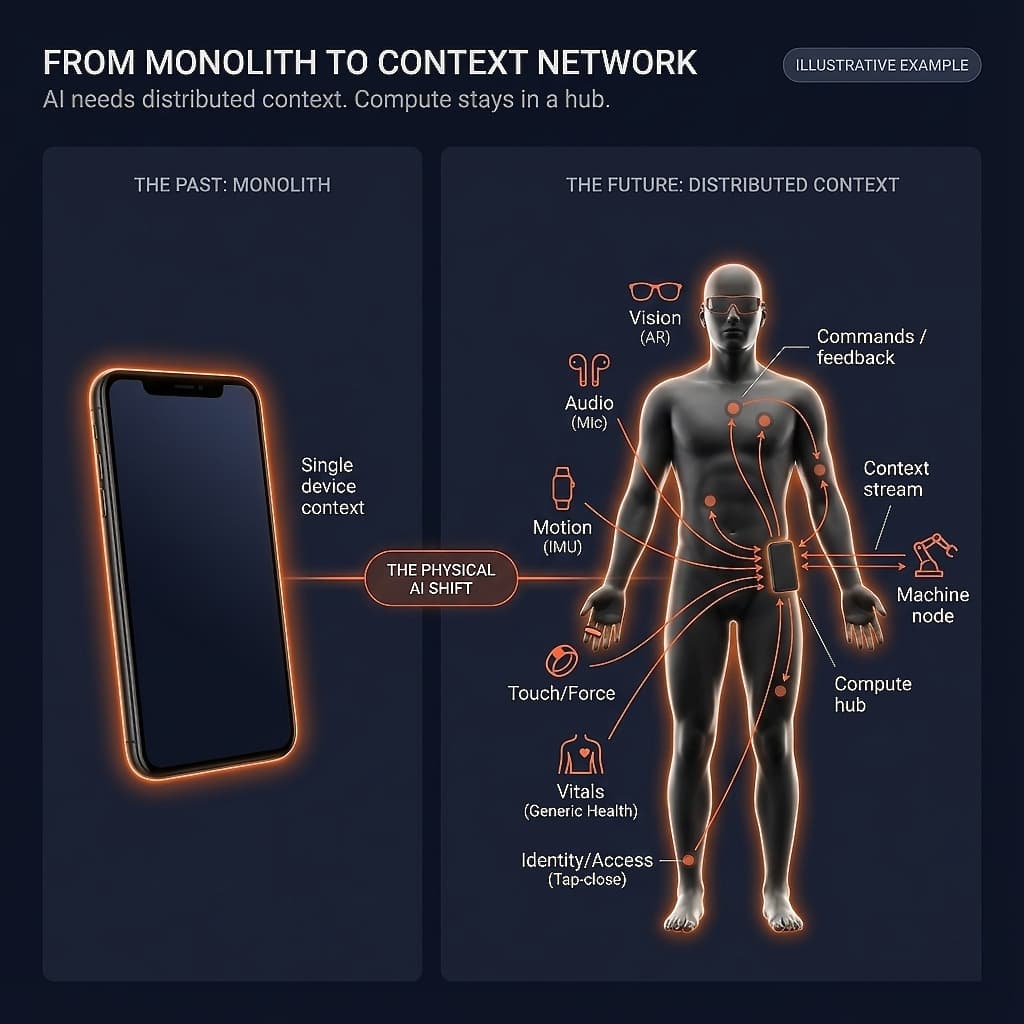
Why cloud AI has rack-scale fabrics while Physical AI needs a local interconnect to move data efficiently across bodies, wearables, and nearby compute.

Insights on building the distributed, always-on, and secure systems of the future

Why cloud AI has rack-scale fabrics while Physical AI needs a local interconnect to move data efficiently across bodies, wearables, and nearby compute.

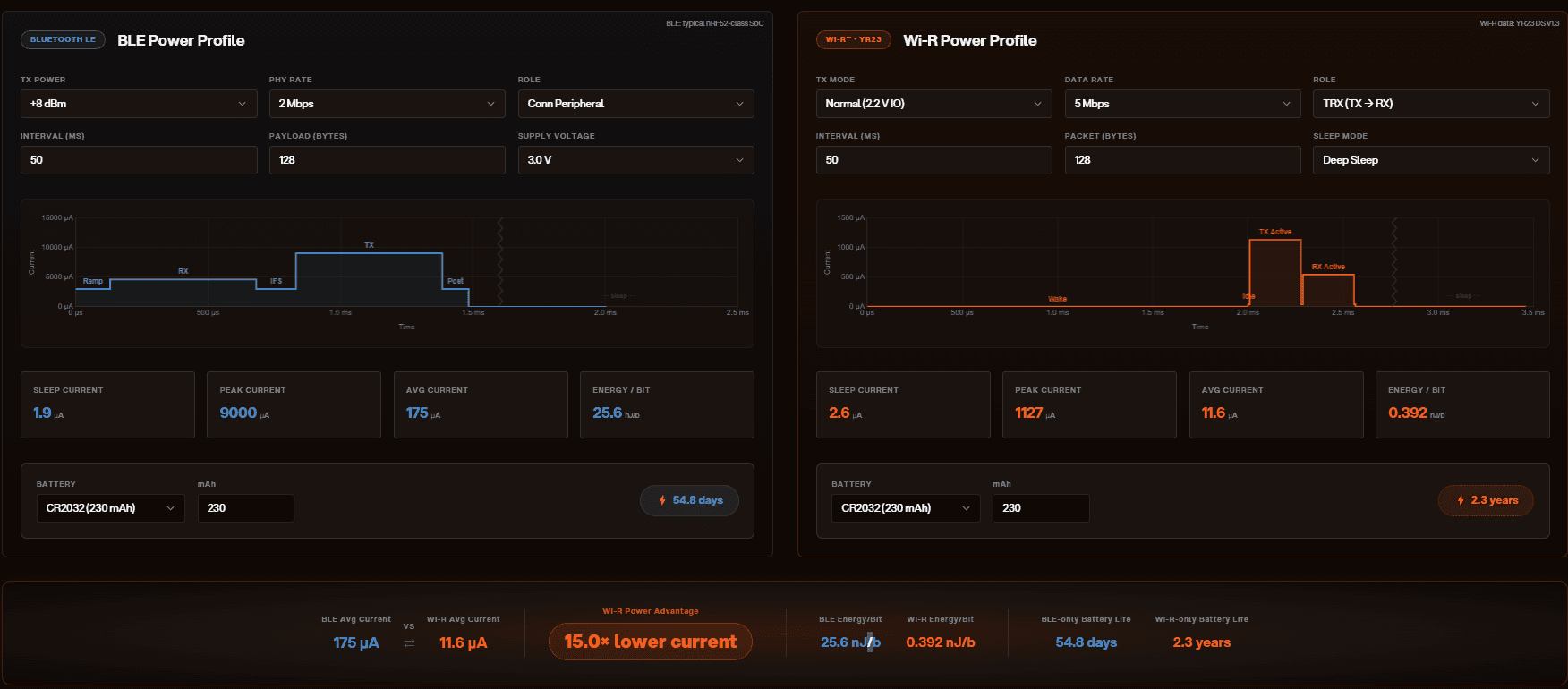
What the Samsung Galaxy Ring reveals about wireless power budgets, and how Wi-R cuts radio current 15x compared to Bluetooth in smart rings.

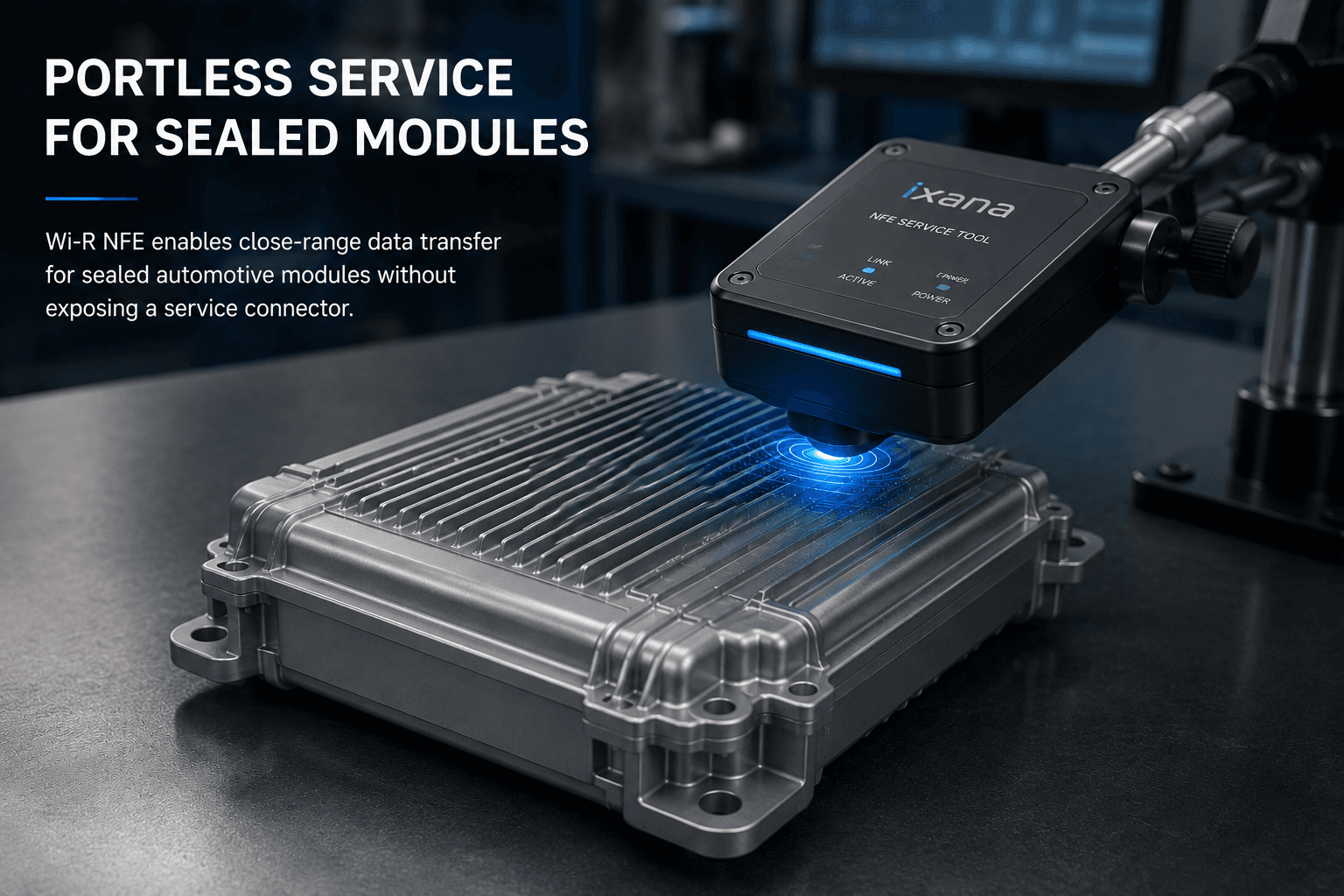
How Wi-R NFE enables portless service for sealed automotive ECUs and ADAS modules: provisioning, diagnostics, and calibration without opening the case.

Wearable AI fails on missing sensor data, not just models. Why a low power wearable data fabric like Wi-R BAN matters for smart glasses and health AI.
Five years of Ixana, from first image transfer demo to a five device wearable network at CES 2026. The story behind Wi-R low power wireless silicon.

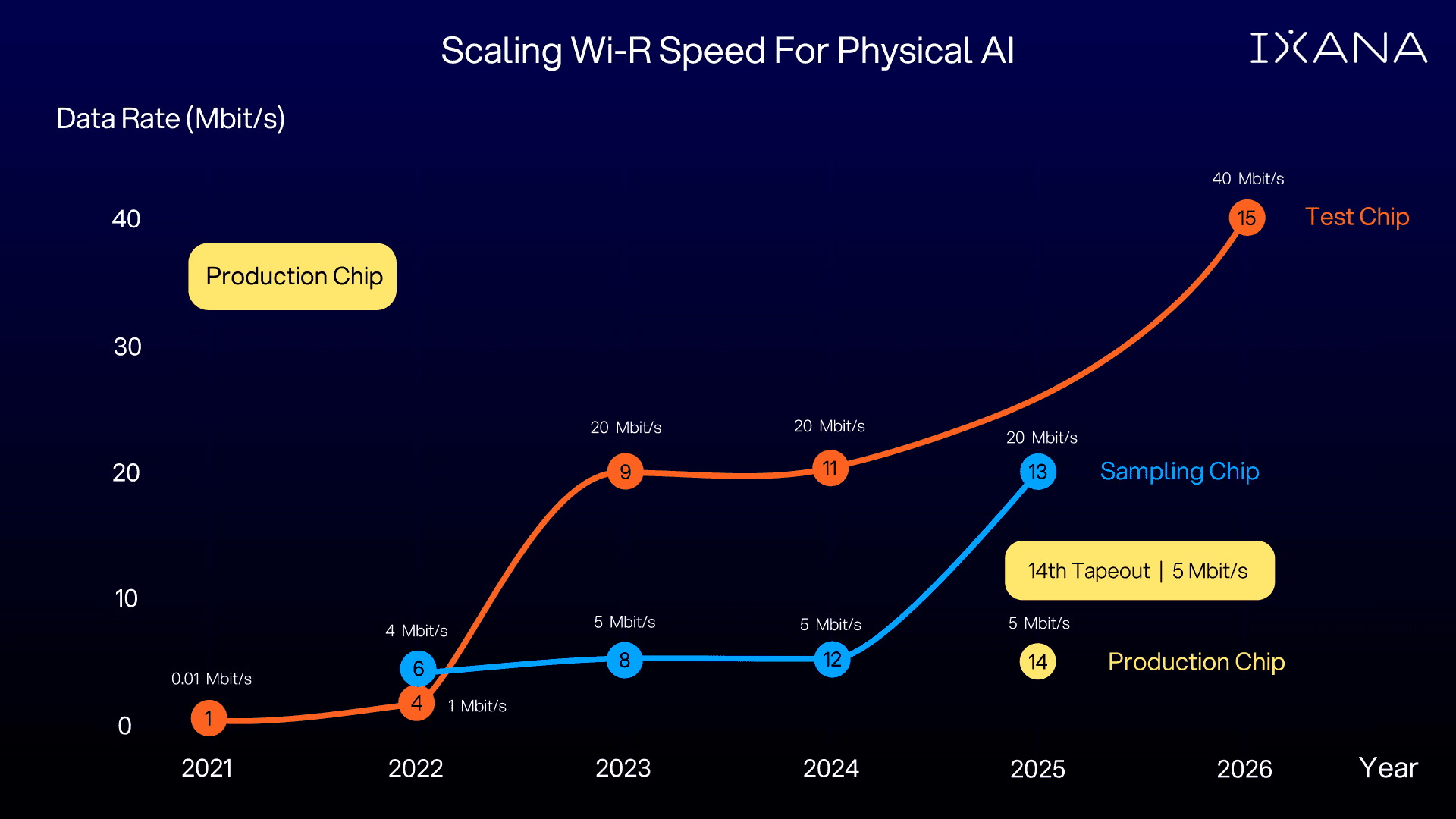
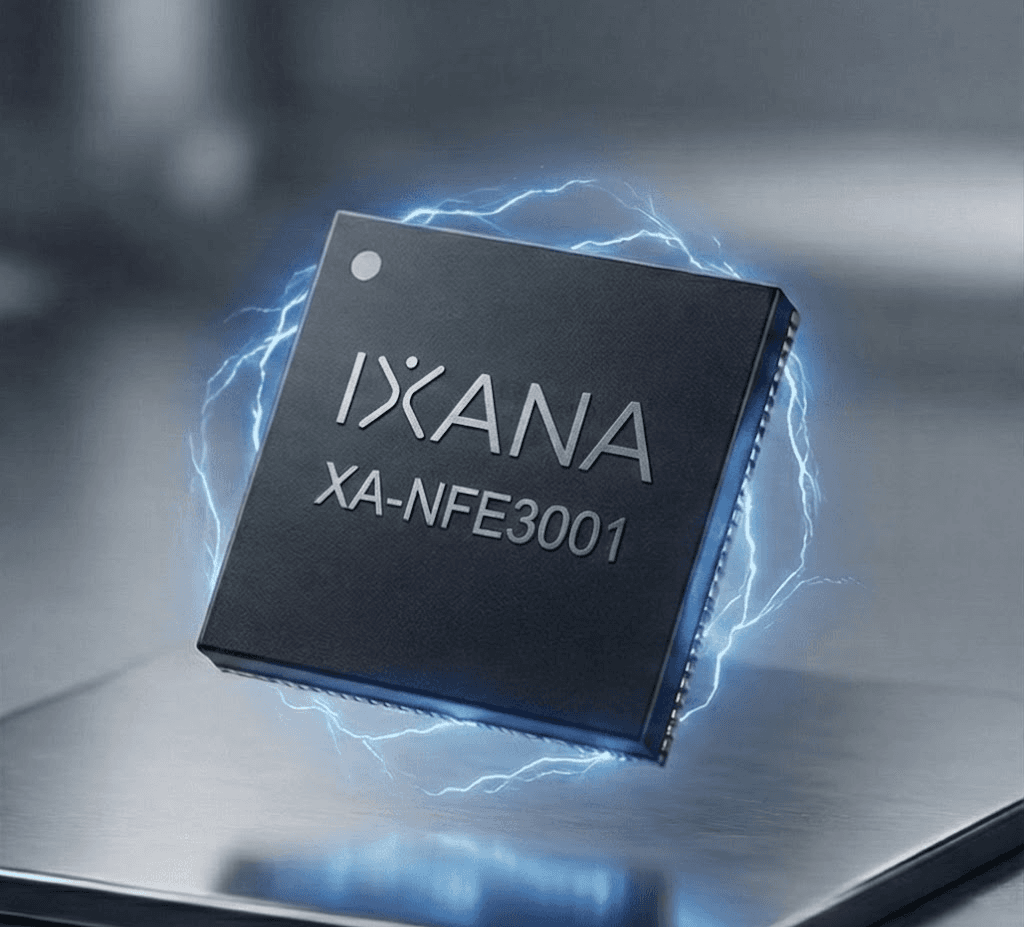
XA-NFE3001 is now sampling: a 20 Mbit/s Wi-R NFE chip for portless provisioning, diagnostics, and data offload under 0.2 ms latency.

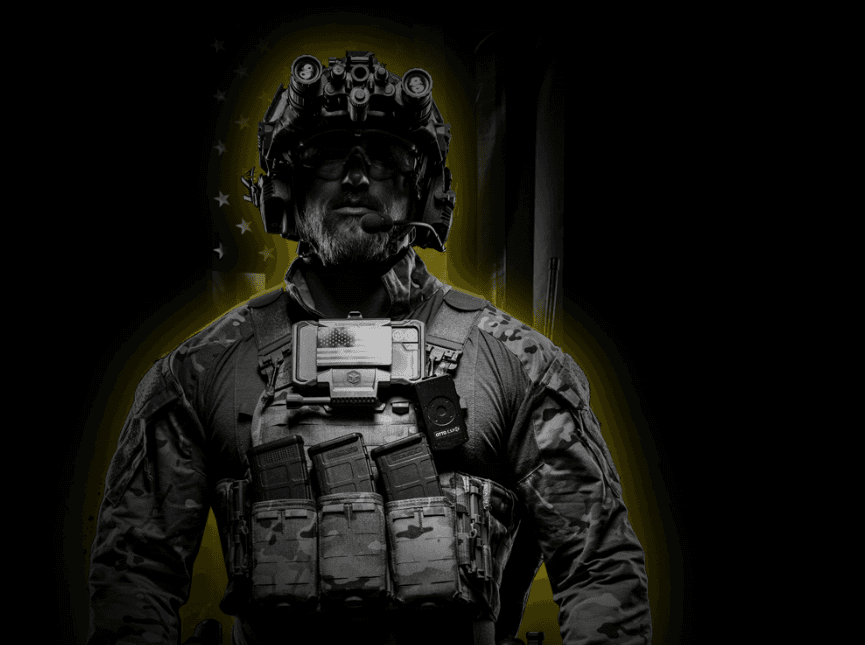
How Wi-R enables digitized combat medicine without RF detectability: touch to triage, offline documentation, and silent casualty monitoring.

Why smart meters and inverters need a portless data link. Wi-R NFE reads sealed utility enclosures securely at 5 Mbps without breaking the seal.

CES 2026 recap: Wi-R live demos, a CNET Best of CES pick, and press validation for a new wearable network category built on low power wireless chips.

Why Wi-R, why now: how low latency, low power wireless fixes Bluetooth bottlenecks today and enables multimodal physical AI on wearables tomorrow.

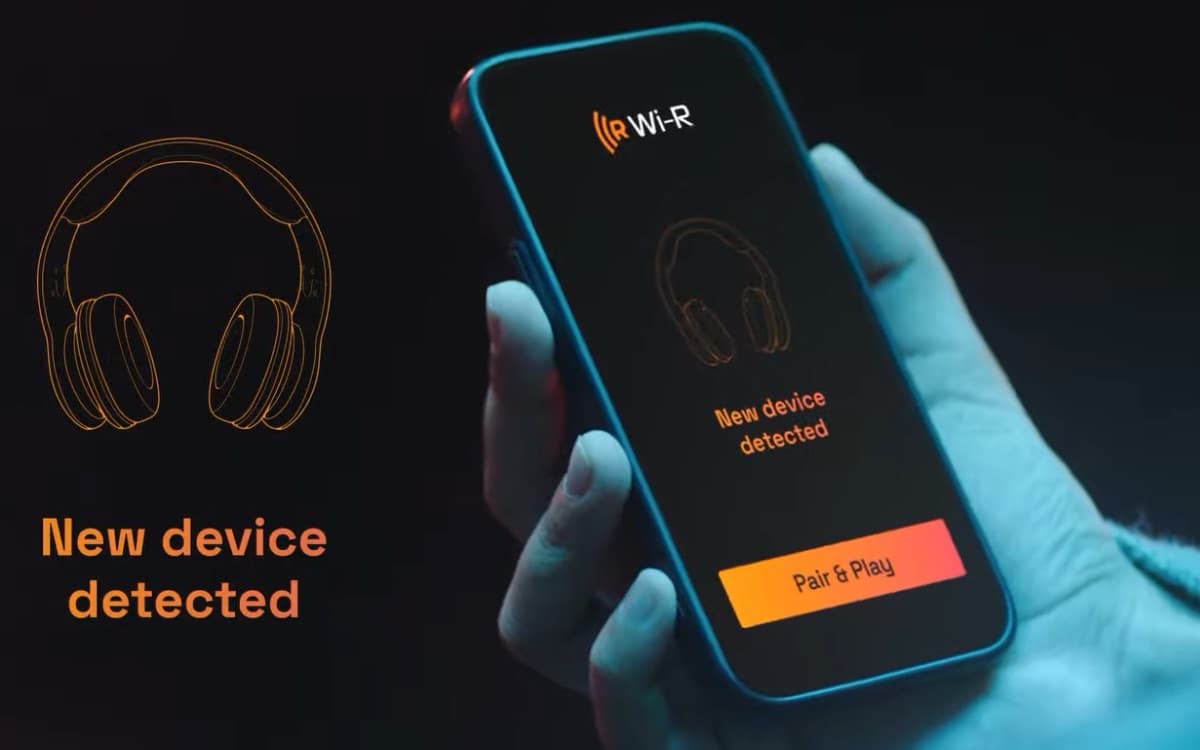
Why Android Quick Share struggles in the last 30 cm, and how a Wi-R NFE confidence layer confirms the right device for reliable close range sharing.

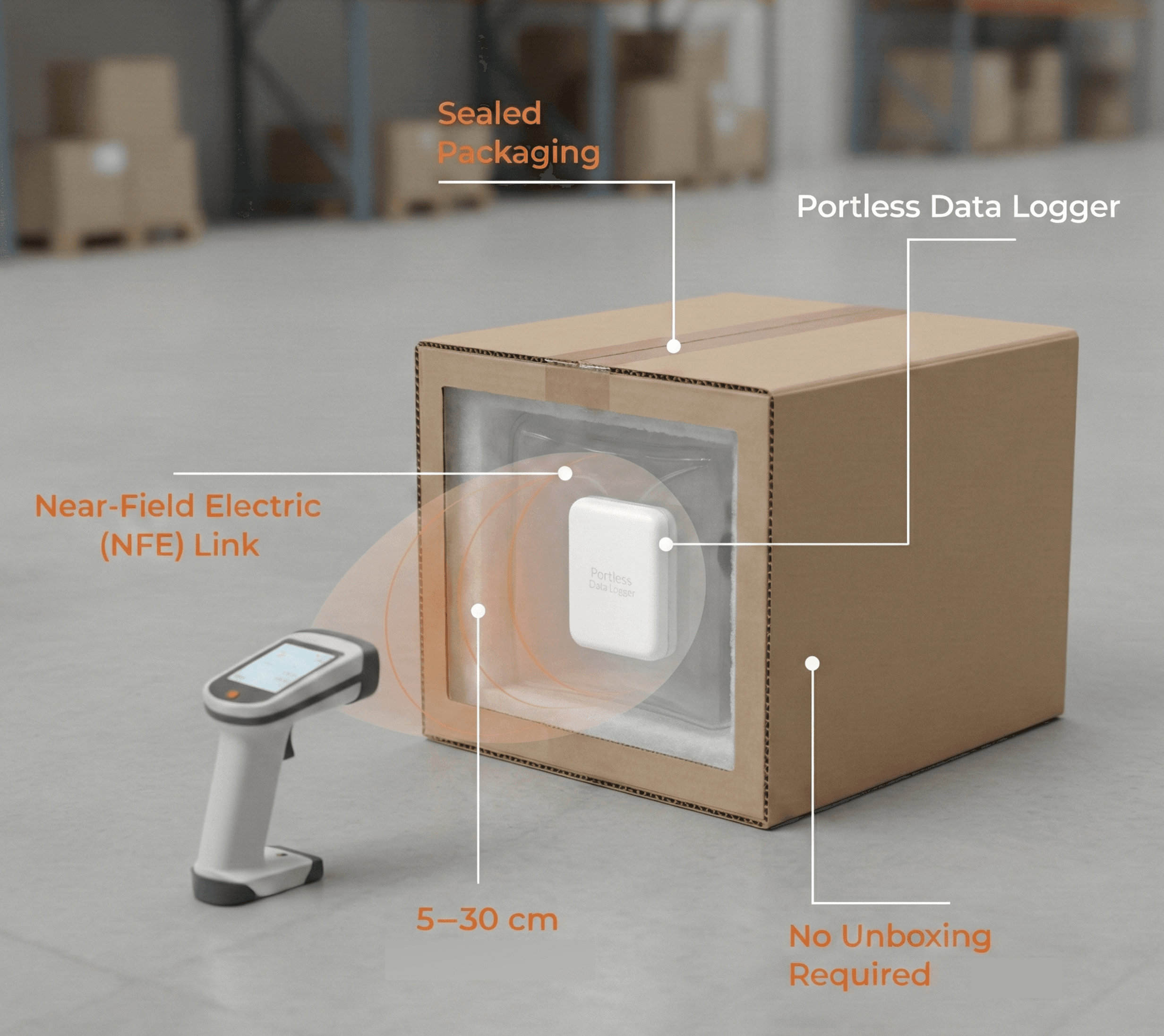
How Wi-R NFE reads cold chain data loggers through sealed packaging: 5 Mbps portless data transfer for logistics without opening the box.

Ixana wins third place in the NATO Innovation Challenge for Touch to Triage: low emission medical data exchange for combat casualty care using Wi-R.

OTTO Engineering and Ixana announce a strategic alliance bringing Wi-R wireless technology to soldier communications, tactical audio, and radios.

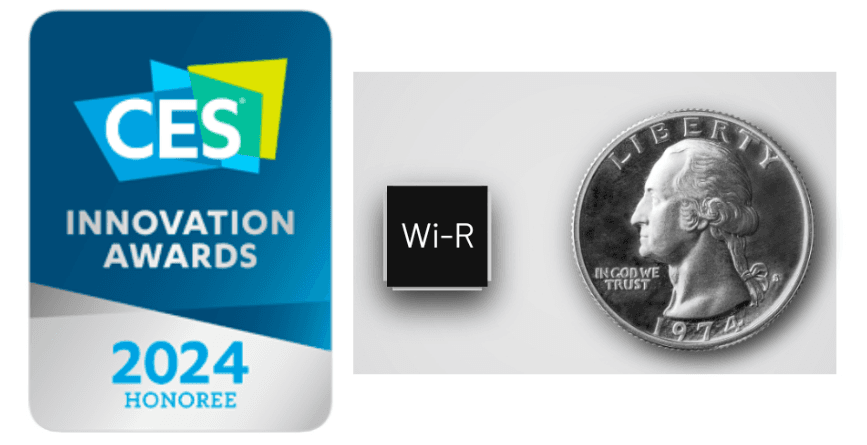
Ixana's Wi-R chip wins a CES 2024 Innovation Award in Embedded Technologies for ultra low power wireless connectivity in wearables and AR devices.

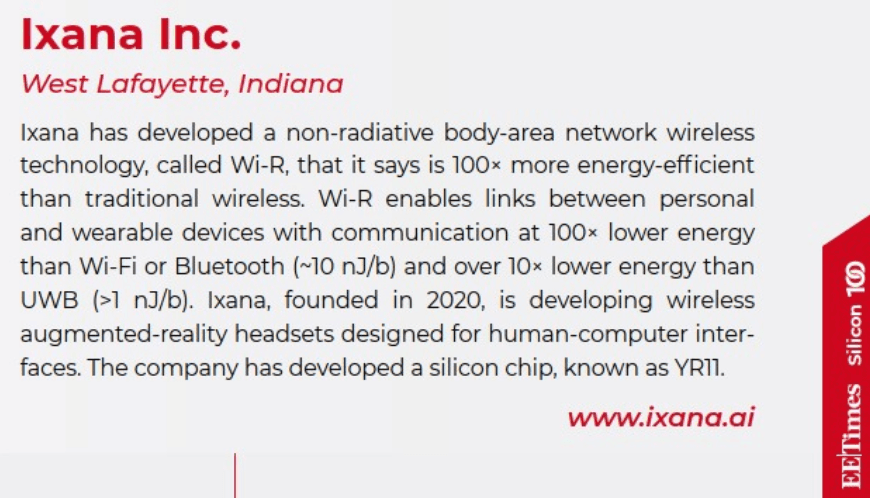
Ixana named to the EE Times Silicon 100 for Wi-R, a non radiative wireless technology for smart glasses, health wearables, and XR devices.

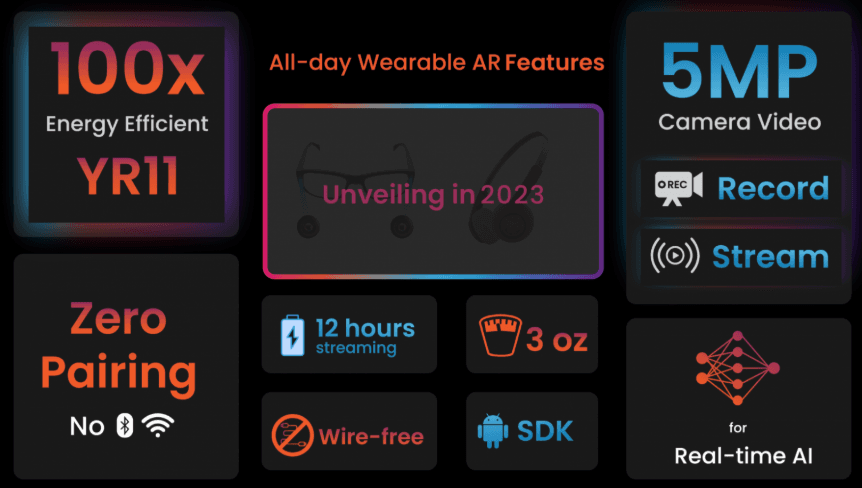
Why battery and heat limits block all day AR headsets, and how Wi-R distributed computing offloads AR workloads to your phone at 100x less energy.

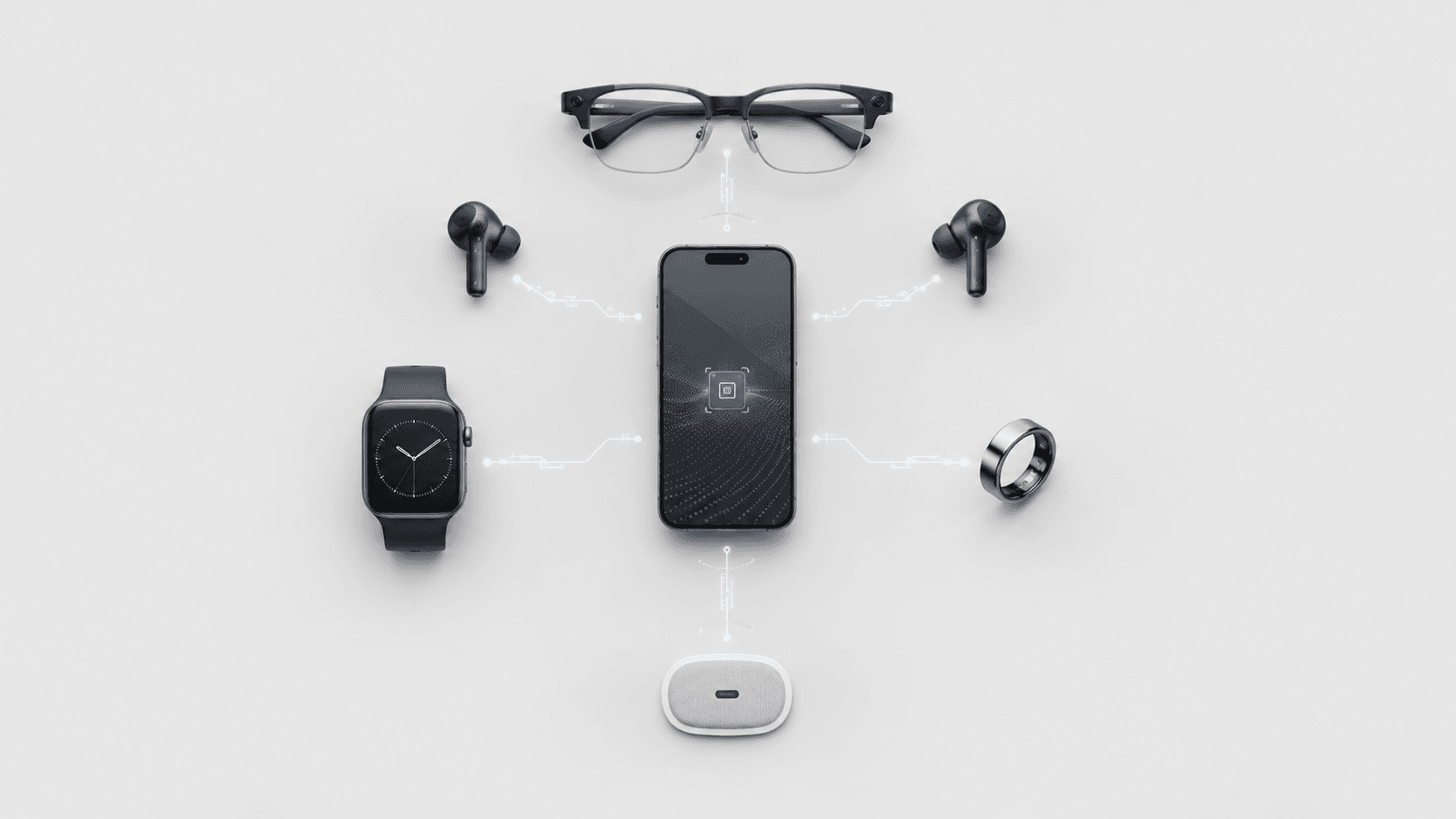
How Wi-R distributed computing deconstructs the smartphone into wearables plus a hub, enabling AI features at 100x less energy than Bluetooth.

The Wi-R white paper: how non radiative near field wireless works, and how it compares to Bluetooth, Wi-Fi, UWB, NFC, and NFMI on power and speed.