Jan 13, 2026Shreyas Sen4 min read
CES 2026: Wi-R Earns Validation for a New Wearable Network Category
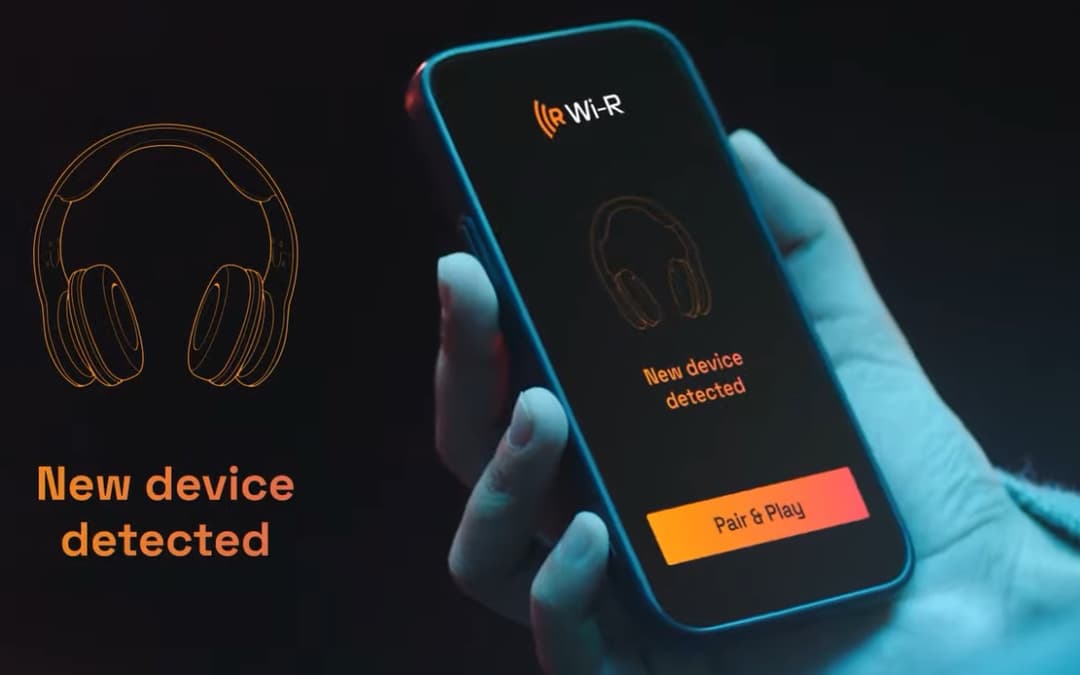
CES 2026 recap: Wi-R live demos, a CNET Best of CES pick, and press validation for a new wearable network category built on low power wireless chips.
CES 2026 was our first major moment to demonstrate that Wi-R is not just "another wireless chip", it is a different kind of link designed for a modern wearable stack.
Over four days, we ran continuous demos and had the opportunity to share the technology with journalists, analysts, and partners who are actively thinking about what comes after today’s Bluetooth-heavy device experience.
The consensus from the floor was clear: The industry is ready for the Wireless Wearable Network.
What We Demoed: A Physically Confined "Data Highway"
We showed a wearable network that keeps connections stable, energy-efficient, and fast enough for real user experiences like audio and data moving across multiple devices.
Crucially, we demonstrated why Wi-R is different from Bluetooth or UWB. By using a physically confined signal that stays near the user rather than radiating into the room, Wi-R creates a "private data highway." This physics-based approach allows for sub-milliwatt operation and wire-like responsiveness even in the chaos of the CES floor.
The Interaction Layer: Wi-R NFE
A wearable network is only as good as its ease of use. Beyond continuous streaming, we showcased Wi-R NFE (Near Field Electric) as the intuitive "handshake" that makes connecting devices seamless. Two key demos stood out:
- Phone-to-Phone Transfer: We demonstrated a high-speed "tap-to-share" experience where users transferred photos instantly between phones. Unlike NFC, which is limited to tiny payloads, NFE delivered the speed needed for rich media without the friction of Bluetooth pairing.
- Watch-to-Watch Exchange: We showed how wearables can securely swap data just by being near each other. This proximity-based interaction opens new doors for social sharing and secure device provisioning without navigating tiny screens.
Media Validation: "The Network Future Wearables Need"
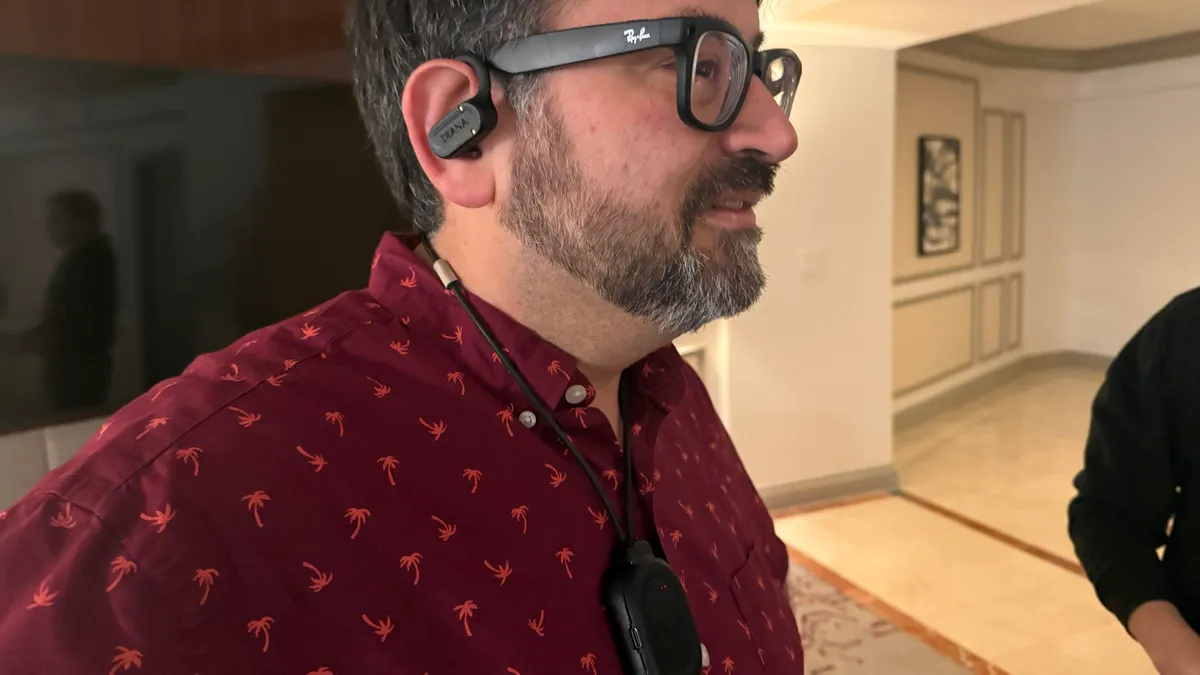
The consumer press validated the user need for a dedicated wearable network. CNET’s Scott Stein visited our booth and tried the demos firsthand. Shortly after, he published a feature titled “I Just Saw the Wireless Body-Transmitting Network That My Future Wearables Need.”
Stein highlighted exactly the friction point we are solving: Bluetooth’s struggle to connect multiple devices reliably. One line from our conversation that stuck with us was his reaction after the show:
"Of all the things I saw … it might be Wi-R that I think about the most."
Recognition in "Best of CES" Coverage
We were also honored to be included in CNET’s "Best of CES 2026" coverage, recognizing the technologies that made the biggest impressions at the show.
Standing alongside major consumer electronics giants, Ixana was recognized for bringing "very short-range wireless communications for all your personal devices" to reality. This matters to us because it signals that Wi-R is being understood as a platform-level shift, not just a niche component.
Technical Validation: 100x Energy Efficiency
While consumers marveled at the experience, industry experts scrutinized the specs.
Power Electronics News highlighted our NFE demos and independently reported on the breakthrough efficiency of our architecture. They noted our ability to deliver "Remote Battery Cell Monitoring" and data transfer at 100 pJ/bit, confirming a 100x energy advantage over legacy NFC and BLE for proximity-style transfers.
For System Architects, this validates that adding high-speed touch interactions to wearables no longer comes with a battery-life penalty.
The Next Step: Commercial Integration
To everyone who stopped by, tried the demos, and challenged us with real engineering questions: Thank you.
CES 2026 was a milestone, but it was just the beginning. With the architecture validated by both media and industry experts, we are now accelerating integration with key OEM partners. The standard for the next generation of wearables and edge is open for business.
Ready to build the future?
CES 2026Wi-RNFEWearablesMedia Coverage

Shreyas Sen
Elmore Associate Professor of ECE & BME at Purdue, Founder & CTO of Ixana, MIT TR35, TEDx, GT 40U40
Illustrative use case only. This page describes example workflows and interoperability concepts involving Ixana Wi‑R technology and third-party systems. Unless expressly stated otherwise, Ixana provides communications silicon, circuit boards and firmware components for E-field based body-area-network and near-field data transfer and is not offering complete medical device, clinical triage system, or finished end products.