Ixana's Wi-R: The Wireless Body Network Future Wearables Need
Jan 7, 2026
5 min read
Ixana's Wi-R protocol transforms the human body into a secure, ultra-low-latency wireless network connecting smart glasses, watches, rings, earbuds, and more. CNET's Scott Stein experienced the CES 2026 demos firsthand and sees it as the breakthrough wearables have needed.
This article summarizes Scott Stein's hands-on CES report for CNET. Credit: Scott Stein / CNET.
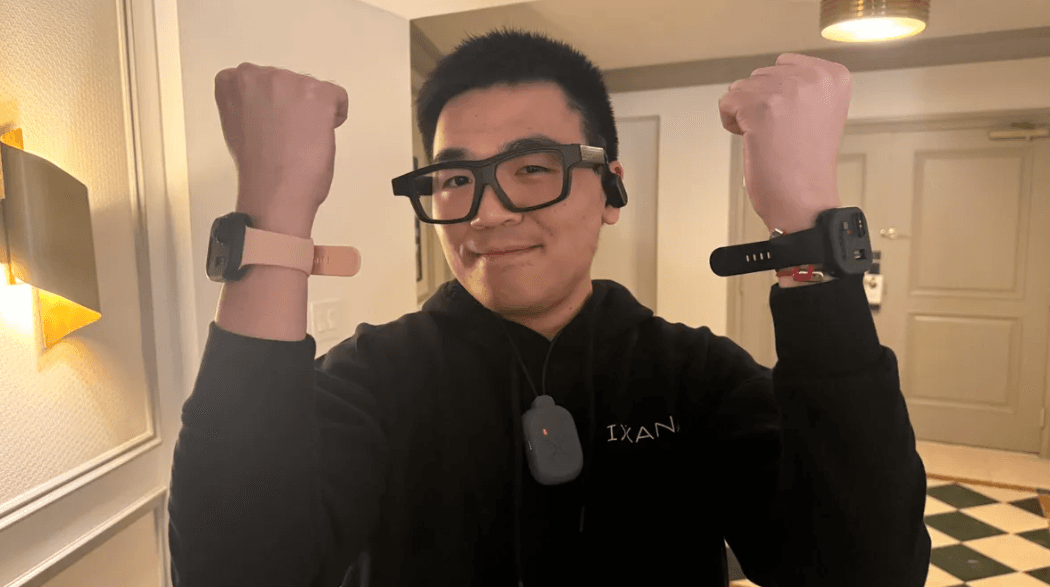
Your body becomes the network. Ixana's Wi-R enables smart glasses to stream video, audio, and sensor data seamlessly to watches, rings, earbuds, and other wearables-all without Bluetooth's headaches. After hands-on demos at CES 2026, CNET's Scott Stein left thoroughly convinced of its potential.
Scott Stein has extensive experience with wearables, having tested countless smart glasses, smartwatches, fitness rings, and related devices. He consistently encounters the same pain points: connection drops, unreliable multi-device syncing, and Bluetooth struggling under load in crowded environments or with battery drain.
That's where Ixana and its Wi-R protocol enter the picture-first encountered by Stein at CES 2026. Wi-R is a specialized wireless chipset and protocol designed for extremely short-range, body-proximate connections. It promises up to 20 megabits per second of shared bandwidth between devices like glasses, watches, rings, and earbuds-as long as they're in close physical proximity on the body. The Indiana-based startup has years of development behind it, including defense contracts with the US Air Force and US Army, and now aims to bring this technology to consumer wearables.
Inside the Wi-R Vision
During CES, Stein met with Ixana's founder and CTO Shreyas Sen, along with VP of Worldwide Sales Bob Twomey. They explained how Wi-R creates a true next-generation personal area network-one where devices communicate directly through the body without relying on traditional Bluetooth, which often introduces unnecessary latency and power consumption.
Hands-On Demo Highlights
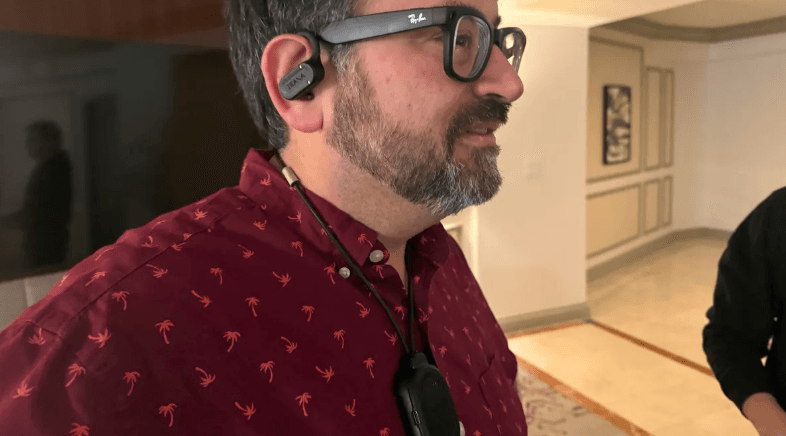
The demos took place in a Las Vegas hotel suite and, while prototypes, proved remarkably impressive. In one setup, prototype wireless earbuds paired with a Wi-R-enabled music pendant streamed high-quality audio flawlessly. The connection severed cleanly just centimeters beyond the body but snapped back instantly when returned to range-demonstrating precise body-area confinement.
A more complex demo featured an Ixana team member wearing dual smart bands, a pendant, smart glasses, and earbuds simultaneously. These five devices shared a combined 5 Mbps throughput across the network. While not yet sufficient for high-res video streaming, this bandwidth excels for real-time sensor data, music playback, health metrics, notifications, and status updates between wearables.
Unmatched Security and Privacy
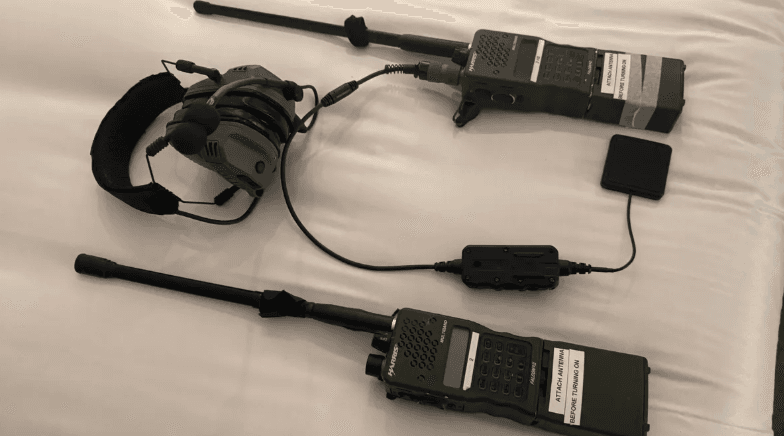
Wi-R operates effectively up to 5 centimeters from the skin, penetrating clothing, heavy jackets, and even some protective gear. This capability stems from Ixana's existing military applications. Critically, the signal does not radiate beyond this intimate range, creating a highly secure personal bubble. No external eavesdropping is possible, making Wi-R ideal for sensitive health data, biometric sensors, or private communications-advantages already proven in Ixana's defense-sector deployments.
Powering Always-On AI Wearables
Ixana's primary consumer target is always-on AI wearables-think smart glasses with cameras, AI pendants, or neural interfaces. Current devices like the Meta Ray-Bans drain batteries rapidly when activating live AI modes, largely due to constant Wi-Fi or Bluetooth activity. Wi-R changes this equation with dramatically lower power consumption, potentially enabling up to 8 hours of continuous live streaming and processing.
Toward a New Connectivity Standard?
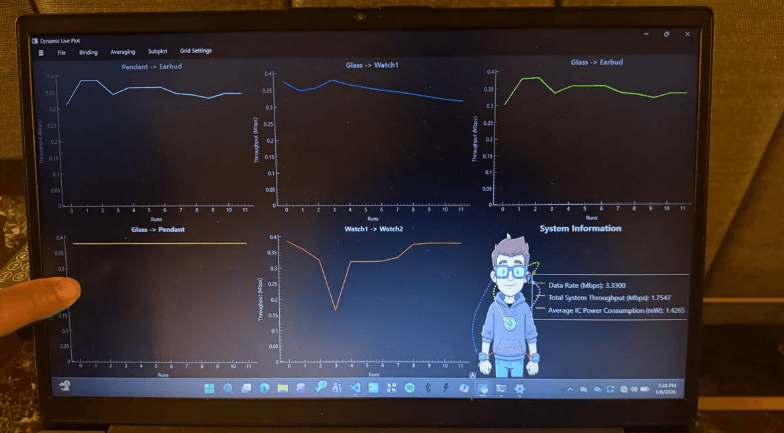
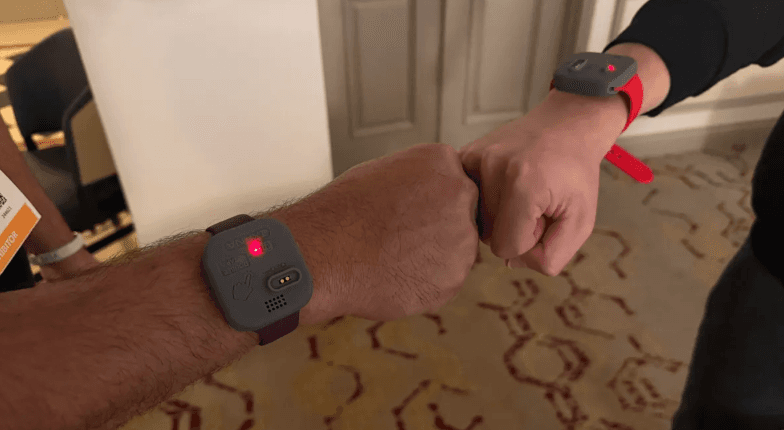
Another demo highlighted interpersonal connectivity: two people wearing prototype wristbands exchanged data only when bringing devices into close range-a secure, proximity-based alternative to AirDrop. More broadly, Wi-R enables ecosystems of low-power wearables (health sensors, fitness trackers, neural inputs, environmental monitors) to automatically discover and communicate without user intervention.
For anyone stacking smart glasses, watch, ring, and earbuds daily-as Stein does-the frustrations are real: Bluetooth range limits, crowded-space interference, dropped connections, poor multi-device coordination. Wi-R addresses these head-on, with Ixana claiming sub-1 millisecond latency based on internal testing.
The Road to Consumer Adoption
Ixana positions itself for consumer breakthrough but acknowledges challenges. A new wireless protocol requires either broad industry standardization or adoption within closed ecosystems (like Apple's wearables or Android/Google stacks). The company reports active discussions with all major tech players.
Stein's takeaway? Wi-R could be exactly what the next wave of intelligent wearables requires. While body-conducted data transmission carries a hint of science fiction, the demonstrated benefits-superior power efficiency, minimal latency, ironclad security, seamless multi-device operation-make a compelling case. The real question is how quickly partnerships will materialize.
"Of everything at CES, Wi-R sticks with me most." - Scott Stein, CNET
Ixana Team
Pioneering the Second Nervous System for Physical AI
CES 2026WearablesWireless TechnologyIxanaWi-R